In the world of food processing, selecting the right equipment is crucial. The "Sausage Filler Machine" stands out as an essential tool for both commercial and home kitchens. In 2026, global buyers will seek machines that blend efficiency with versatility.
Choosing a sausage filler can feel overwhelming. There are many options available, each promising unique benefits. Some machines excel in capacity, while others focus on precision. It's important to weigh these features against your specific needs. Not every machine fits all purposes, and this discrepancy can lead to unmet expectations.
Expert reviews and user experiences provide valuable insights. They reveal that a quality sausage filler machine enhances not just productivity, but also the final product's taste and consistency. Reflecting on these aspects is vital for informed decision-making. Ultimately, a well-chosen machine can significantly influence sausage-making success.
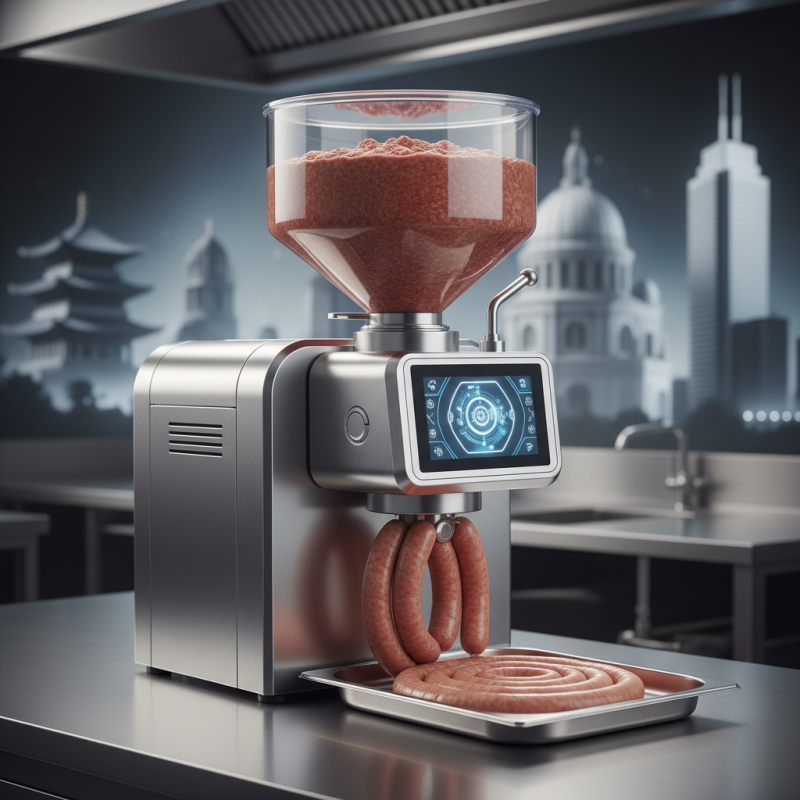
Sausage filler machines are essential for meat processing. They ensure consistency in size and texture, which can impact the final product’s quality. A recent industry report indicates a growing demand for these machines globally. In 2022, the market for sausage fillers reached over $1 billion, with expected growth of around 5% annually through 2026.
Efficiency is a primary concern for producers. Operators benefit from machines that are easy to clean and maintain. Efficiency also relies on the machine's capacity to handle various meat types. Many users report challenges with smaller machines struggling under heavy loads. This can lead to production delays, which ultimately affect profits.
Understanding different types of fillers is crucial. There are manual, semi-automatic, and fully automatic versions. Each has its pros and cons, depending on production scale. A study revealed that semi-automatic machines account for roughly 40% of the market due to their balance between efficiency and cost. However, makers must consider their specific needs carefully. The wrong choice can result in inefficiencies and wasted resources.
When selecting a sausage filler machine, it's essential to focus on key features that enhance your experience. Look for machines with adjustable filling speeds. This allows you to control the flow of sausage mixture. Avoid models with fixed speeds; they can lead to inconsistent results. A good machine should also have different nozzle sizes. This versatility benefits various sausage types, from thin links to thicker varieties.
Tip: Always check the machine's material. Stainless steel is durable and easy to clean. Plastic parts can wear out faster. You want a machine that lasts through multiple seasons. Consider the size too. Compact machines are easier to store but may limit output.
Ease of use is another critical factor. Look for machines with clear instruction manuals. Some machines may seem complex at first. Ensure you know how to operate them before production. Handle this equipment carefully; each part plays a role in the final product.
Tip: Test the machine with smaller batches initially. This helps identify any issues without wasting ingredients. A well-functioning filler should make the process smooth and enjoyable, contributing to your sausage-making business's success.
As the global sausage filler market evolves, several brands stand out for their innovation and reliability. Recent industry reports indicate that the market is expected to reach USD 450 million by 2026. This growth is driven by rising consumer demand for high-quality meat products. Many companies are diversifying their offerings to meet the needs of both home chefs and professional kitchens.
A crucial factor in selecting a sausage filler machine is its efficiency. Industry data shows that machines with higher filling speeds reduce production time. A machine with a filling speed of 20-30 lbs per minute can significantly enhance operational workflows. Additionally, users often seek models that offer easy cleaning features. The complexity of maintenance can sometimes deter buyers. Many industry experts suggest that machines requiring less frequent maintenance are preferable.
Another element to consider is the machine's capacity. Models with a size range between 5 to 20 liters are commonly favored. However, some buyers find it challenging to choose between portability and larger capacities. Many small-scale producers express frustration when balancing these needs. A reliable brand often has user-friendly designs while accommodating various production demands. This is where expertise in machinery design becomes critical for manufacturers aiming for long-term market success.
When considering sausage fillers, the choice between manual and electric models is crucial. Manual fillers require physical effort and skill. Users must understand the process to achieve the right texture and consistency. This method allows for better control over the filling process. Many enthusiasts appreciate this hands-on approach. They find satisfaction in crafting sausages from scratch. However, it can be tiring, especially during large batch production.
Electric sausage fillers offer numerous advantages. They are faster and reduce labor intensity. A skilled user can achieve uniform filling consistently. This efficiency benefits both home cooks and commercial kitchens. The drawback? Some find electric models may be bulky. Storage can be an issue for smaller kitchens. Moreover, reliance on electricity might pose challenges during outages.
Ultimately, both types have their merits. Manual fillers encourage a deeper connection to the art of sausage making. In contrast, electric fillers focus on efficiency and volume. Each user must weigh these aspects based on their needs and preferences. Reflecting on your production goals will drive your decision. Careful consideration will lead you to the best type of filler for your culinary adventures.
As we look towards 2026, the sausage filling industry is on the brink of transformative advancements. New technologies are set to reshape how sausage fillers operate, focusing on efficiency and sustainability. Automation will play a key role, reducing human labor while increasing output. Machines will incorporate smart sensors to monitor filling consistency and speed. This will help manufacturers maintain quality without constant oversight.
Sustainability will be another trend gaining momentum. Many producers will seek eco-friendly materials to design machines. Recyclable components and energy-efficient systems will drive this shift. There is an increasing demand for processes that minimize waste and energy consumption. Yet, challenges remain. Integrating these new technologies can be costly, and not every producer may be able to invest in such upgrades immediately.
Consumer preferences are evolving too. Today’s buyers want transparency about ingredients and sourcing. This demand will impact how sausage fillers are designed. Machines that allow for quick changes between recipes could find a competitive edge. The emphasis will be on flexibility and adaptability, accommodating diverse market needs. It is an exciting time, but the path forward requires thoughtful consideration and planning.
This chart illustrates the projected market share of different sausage filling technologies in 2026. The data reflects trends based on consumer preferences and technological advancements in sausage filling machinery.
: They are essential for meat processing and ensure consistency in size and texture.
Efficiency affects production rates and profits. Challenges with smaller machines can lead to delays.
There are manual, semi-automatic, and fully automatic machines, each with unique benefits.
The market reached over $1 billion in 2022 and is expected to grow at 5% annually.
They offer better control and allow users to connect with the sausage-making process.
They can be tiring during large productions and require physical effort and skill.
They are faster and require less labor, but can be bulky and need electricity.
Reflect on production goals and preferred processes to find the best fit for their needs.
It helps users make an informed decision, reducing inefficiencies and wasted resources.
They may face storage challenges in small spaces and can be affected by power outages.
The article titled "Best Sausage Filler Machine for Global Buyers in 2026?" provides an in-depth overview of sausage filler machines, highlighting their significance in the food production industry. It begins with an introduction that emphasizes the essential role these machines play in ensuring efficiency and precision in sausage manufacturing. The content outlines key features to consider when selecting a sausage filler machine, such as capacity, ease of use, and maintenance requirements.
Additionally, the article presents a comparative analysis of manual versus electric sausage fillers, discussing the advantages and disadvantages of each type. As the industry evolves, it also explores future trends in sausage filling technology, predicting advancements that will enhance productivity and user experience. By understanding these factors, global buyers can make informed decisions when investing in a sausage filler machine in 2026 and beyond.
FSL Food