Why Choose a Meat Chopper Machine for Your Business Needs?

Time:2026-05-07 Author:Isabella
0%

In today’s fast-paced food industry, the need for efficiency and quality is vital. Experts like John Smith, a renowned meat processing specialist, emphasize the importance of investing in reliable tools. He once stated, "A quality Meat Chopper Machine can make or break your production line." This highlights the pivotal role of such machines in modern business operations.

A Meat Chopper Machine streamlines the meat preparation process. It reduces labor time and ensures uniformity in product output. For many businesses, however, the choice of the right machine can be overwhelming. With numerous models available, selecting one that aligns with your specific needs requires careful consideration.

Balancing budget constraints and performance can lead to indecision. While cheaper machines exist, their durability and efficiency may not meet industry standards. Investing in a high-quality Meat Chopper Machine can enhance productivity significantly. Reflecting on long-term goals is crucial. Will your equipment stand the test of time? These factors will determine your success in the competitive market.
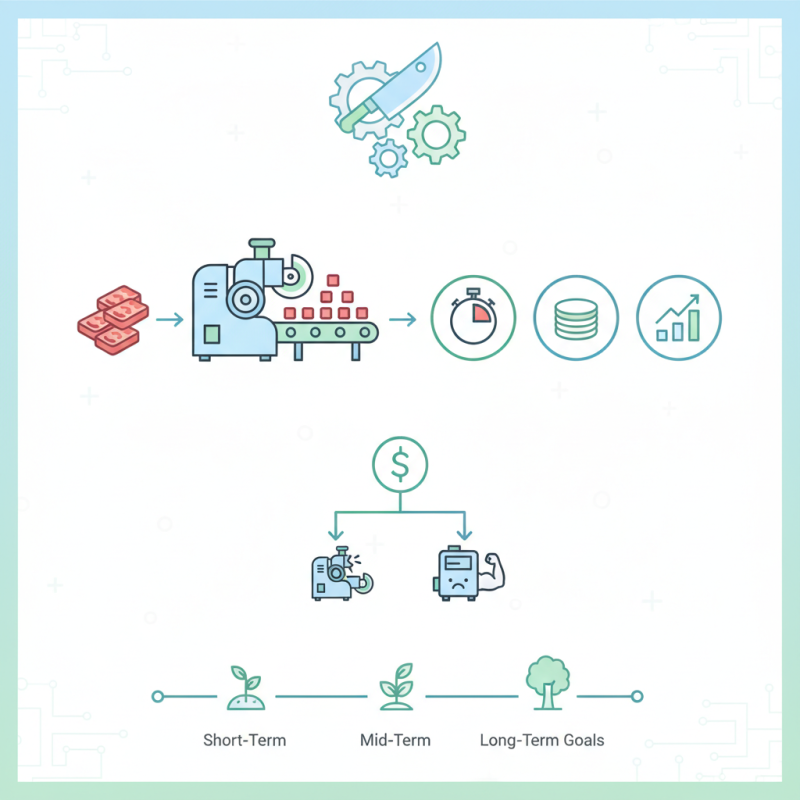
Why Choose a Meat Chopper Machine for Your Business Needs?

Benefits of Using a Meat Chopper Machine in Food Processing Industry

In the food processing industry, efficiency is key. The meat chopper machine stands out for its ability to enhance productivity. According to industry reports, companies utilizing meat choppers see a 30% increase in processing speed. This efficiency translates directly to cost savings and more output. Labor costs are also reduced as the machine handles tasks that once required multiple workers.

Quality control is another significant advantage. Meat chopper machines ensure uniformity in texture and thickness, which is crucial in food production. Reports indicate that consistent quality reduces waste by about 15%, empowering businesses to maximize their resources. However, reliance on machines can create challenges, such as the need for regular maintenance and operational training for staff.

Furthermore, the versatility of these machines cannot be overlooked. They can chop, grind, and mix different types of meat, allowing for innovation in product offerings. Yet, companies must be cautious about over-relying on automation. Understanding the machine's limitations is essential to ensure it complements human workers effectively rather than replacing them outright. Balancing technology with skilled labor remains a delicate task in the modern food industry.

Efficiency Comparison: Manual vs. Machine Meat Chopping Methods

When considering meat chopping methods, efficiency is crucial for businesses. Manual chopping can be labor-intensive and inconsistent. Studies show that manual methods require an average of 20-30 minutes for every 10 pounds of meat. For busy kitchens, this can be a significant drawback. Chopping meat by hand also increases the risk of accidents and injuries. Serious injuries can occur, leading to costly downtime.

On the other hand, meat chopper machines demonstrate impressive efficiency. These machines can process the same amount of meat in as little as 5-10 minutes. A report from the National Meat Association indicates that using machines can increase output by over 60%. This is particularly beneficial during peak hours. Additionally, machine-chopped meat has more uniformity, ensuring the quality needed for various dishes.

However, operators must be adequately trained. Without proper knowledge, machines can malfunction or produce inconsistent quality. Regular maintenance is also essential for optimal performance. Balancing efficiency with proper training and upkeep presents a unique challenge in many kitchens.

Efficiency Comparison: Manual vs. Machine Meat Chopping Methods

This chart illustrates the efficiency comparison between manual and machine meat chopping methods, highlighting the significant time savings when using a meat chopper machine.

Impact of Meat Chopper Machines on Labor Costs and Productivity Ratios

Meat chopper machines significantly impact labor costs and productivity in various businesses. These devices streamline the chopping process, reducing the time employees spend on manual tasks. When using these machines, businesses can produce consistent chunk sizes, which enhances overall product quality. Consistency in size also simplifies portion control, improving inventory management.

With reduced labor time, employers can reallocate staff to high-value tasks. Workers can focus on creative or customer service roles rather than repetitive chopping. This reallocation can foster a more engaged workforce. However, there's a learning curve. Employees may initially struggle to adapt. Training periods can temporarily affect productivity levels.

It's essential to assess the initial investment costs versus long-term savings carefully. While chopper machines require upfront expenditures, the savings on labor and potential sales increases can provide a substantial return on investment. However, not every business will see immediate benefits. Some may find that integrating such machinery disrupts established workflows. Balancing technology with human skills is crucial for maximizing efficiency and maintaining quality.

Quality Control: How Machines Enhance Consistency in Meat Products

In the meat processing industry, consistency is key. A meat chopper machine plays a vital role in maintaining uniformity in product quality. With precision cutting, these machines ensure that each piece of meat meets specific size and texture requirements. This level of control not only enhances flavor but also impacts cooking times. Chefs and consumers alike appreciate consistency in their meals.

Quality control is enhanced through automation. Machines eliminate the variability that can come from manual chopping. Human error can lead to inconsistencies. Different workers may have varying techniques, resulting in uneven cuts. The streamlined operation of a meat chopper minimizes these issues. However, it's essential to remain vigilant. Regular maintenance and calibration are necessary to uphold performance.

Even with advanced technology, challenges can arise. For instance, if not cleaned properly, machines can cross-contaminate products. Training staff on proper usage is critical. This is where expertise comes into play. A knowledgeable team understands machine capabilities and limitations. Investing in staff training is as crucial as the equipment itself. Quality control should be a collective responsibility within any business.

Market Trends: Growth of Meat Chopper Machine Demand in Food Businesses

The demand for meat chopper machines in the food service industry is on the rise. Many businesses are recognizing the efficiency these machines bring to meat preparation. A well-designed chopper can streamline workflow, saving time and labor costs. As speed becomes essential in busy kitchens, operators are increasingly turning to this equipment.

Market trends indicate that many food businesses are investing in automation. This shift helps them meet customer demands quickly and effectively. A meat chopper machine not only enhances productivity but also ensures uniform cuts. Even small inconsistencies can affect the quality of a dish.

However, improper use of the machine can lead to safety issues. Training staff properly becomes crucial.

Moreover, adapting to customer preferences can be challenging. Some businesses might overlook specific cuts or types of meat that patrons desire. Failing to address these shifts could result in losing clientele. Keeping up with trends is essential. Periodically reviewing equipment and techniques helps maintain quality and relevance in the market.

FAQS

: How does using a meat chopper machine improve efficiency in food processing?

: Meat chopper machines boost processing speed by 30%, leading to more output and cost savings.

What are the benefits of uniformity in meat processing?

Uniformity enhances flavor and cooking times, making meals more appealing to chefs and consumers.

How do these machines help reduce waste in meat processing?

Consistent quality from machines reduces waste by about 15%, allowing better resource utilization.

What challenges can arise from relying on meat chopper machines?

Regular maintenance and staff training are essential to prevent issues like cross-contamination.

Can meat chopper machines handle different types of meat?

Yes, they can chop, grind, and mix various meats, encouraging innovation in product offerings.

Why is regular maintenance important for meat chopper machines?

Maintenance ensures machines perform optimally and helps avoid operational issues that can arise.

How does automation impact quality control in meat processing?

Automation reduces human error, leading to more consistent product quality and minimized variability.

What is a potential downside of relying too much on automation?

Over-reliance can undermine the role of skilled labor and create a disconnect in product quality management.

How should staff be trained in relation to meat chopper machines?

Training should cover machine capabilities, usage, and maintenance to ensure safe and effective operation.

Is balancing technology with skilled labor important in food processing?

Yes, finding the right balance is crucial to maximize both efficiency and quality in production.

Conclusion

The "Meat Chopper Machine" has become an essential tool in the food processing industry, offering numerous benefits that enhance operational efficiency. Compared to manual chopping methods, meat chopper machines significantly reduce processing time and labor costs while improving productivity ratios. These machines ensure a high level of quality control, promoting consistency in meat products that meets industry standards.

As market trends indicate a growing demand for meat chopper machines among food businesses, their adoption reflects a shift towards automation in food preparation. By leveraging technology, companies can streamline their operations, achieve cost savings, and deliver a superior product to consumers. The integration of meat chopper machines not only fosters efficiency but also supports the evolving needs of the food industry.


Isabella

Isabella

Isabella is a dedicated marketing professional with a sharp focus on driving brand growth and engagement through strategic content creation. With an extensive background in digital marketing, she combines her passion for storytelling with her keen understanding of industry trends to deliver......