The demand for Dough Cut Machines is growing rapidly in the culinary industry. According to a recent market analysis by Research and Markets, the global dough processing equipment market is expected to reach $5.4 billion by 2026. This trend highlights the importance of selecting the right machinery for bakeries and food producers alike. Expert chef Mark Thompson emphasizes, “Choosing the right dough cut machine can significantly impact your production efficiency.”
With various models available, it can be challenging to determine which Dough Cut Machine best suits your needs. Consider factors like capacity, versatility, and ease of maintenance. For instance, a machine that cuts dough shapes consistently saves time and labor, ensuring quality output. However, not every model excels in all aspects. Some may lack speed, while others compromise on precision.
It's crucial to weigh these aspects and seek advice from professionals when making your decision. Investing in a high-quality Dough Cut Machine may require upfront costs but can lead to long-term savings. Be mindful of your specific requirements. The right choice enhances productivity and can elevate your culinary creations.
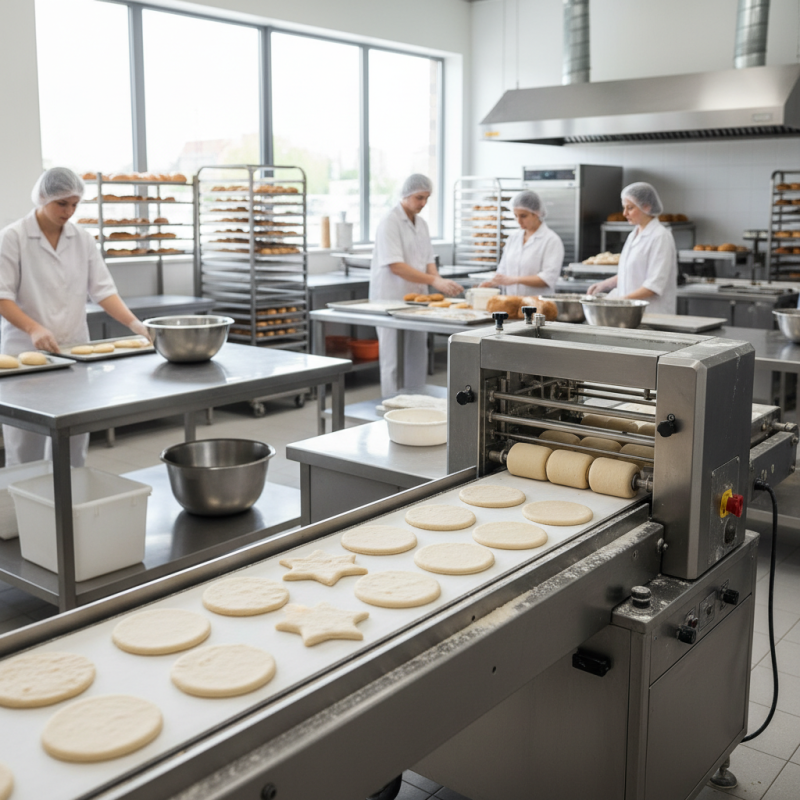
Dough cut machines come in various types, each designed for specific needs. Understanding these types is essential for making the right choice. For instance, rotary cutters excel in precision and speed. They are ideal for businesses that require consistent and uniform dough shapes. In contrast, sheeter machines spread dough evenly, making them suitable for bakeries producing pizzas or pastries.
Features matter as much as the type. Look for machines with adjustable speeds. This flexibility allows users to adapt to different dough consistencies. According to a report by the U.S. Department of Agriculture, bakeries that utilize advanced cutting technology report a 25% increase in production efficiency. However, selecting the right machine involves reflection. Not all businesses require high-capacity machines. Smaller operations might benefit from manual or semi-automatic options.
Maintenance is another crucial factor. Regular upkeep can enhance a machine's lifespan. A study published in the Journal of Food Engineering indicated that 40% of bakeries do not prioritize equipment maintenance. This oversight can lead to increased downtime and lost profits. Balancing efficiency with the actual needs of your business is vital. Identifying these needs will guide you to the best dough cut machine for your operations.
: There are rotary cutters and sheeter machines, each serving specific dough needs effectively.
Adjustable speeds help adapt to various dough consistencies, enhancing cutting precision and efficiency.
Regular upkeep is crucial to prolong the lifespan of machines, but many bakeries overlook this aspect.
A bakery should ideally look for machines that can handle at least 10-20 kg per batch of dough.
High-efficiency machines can lower operating costs over time, while less efficient models can lead to unexpected expenses.
Versatile machines can create various shapes, including ribbon cuts, squares, and intricate designs.
Automation and smart features are increasingly common, improving production consistency and reducing waste.
High initial costs and the need for staff training are significant barriers when adopting new technologies.
Businesses must reflect on their volume requirements and cutting types to choose the right machine efficiently.
Assessing this balance can lead to better decision-making regarding investments in dough cutting machines.
In the quest to select the best Dough Cut Machine for your needs, it is essential to understand the different types and features available in the market. This encompasses evaluating the specifications and performance metrics that define how effectively a machine can operate. Key factors such as size, cutting precision, and ease of use play a crucial role in ensuring you choose the right equipment that aligns with your baking requirements.
Moreover, a comparative analysis of the top brands and models in 2026 reveals significant advancements in dough cutting technology. Keeping an eye on industry trends and innovations can help you make informed decisions, ensuring your dough cut machine not only meets present demands but also adapts to future baking challenges. Understanding these elements will ultimately enhance your baking experience and productivity.

 FSL Food