Choosing the right Meat Mixer Machine can be challenging. There are many options available, each with different features. Understanding these features is crucial to making an informed decision. A suitable Meat Mixer Machine can enhance efficiency and improve product quality.
When selecting a Meat Mixer Machine, consider your specific needs. Factors such as capacity, mixing speed, and ease of cleaning play a role. It's essential to evaluate your production scale and types of meat you handle. This equipment should be reliable and durable, capable of withstanding daily use.
Don't overlook the importance of expert advice. Trusted manufacturers can provide insights into their products. However, reviews from other users can also guide your choice. Remember, a Meat Mixer Machine is an investment. Patiently researching and testing models will yield the best results.
Understanding Different Types of Meat Mixer Machines Available
When selecting a meat mixer machine, understanding the different types available is crucial. There are manual and electric models, each with distinct advantages. Manual mixers are often more affordable and easier to clean, but they require more effort. Electric mixers, on the other hand, can handle larger volumes and save time for busy kitchens. However, they may pose a higher initial investment.
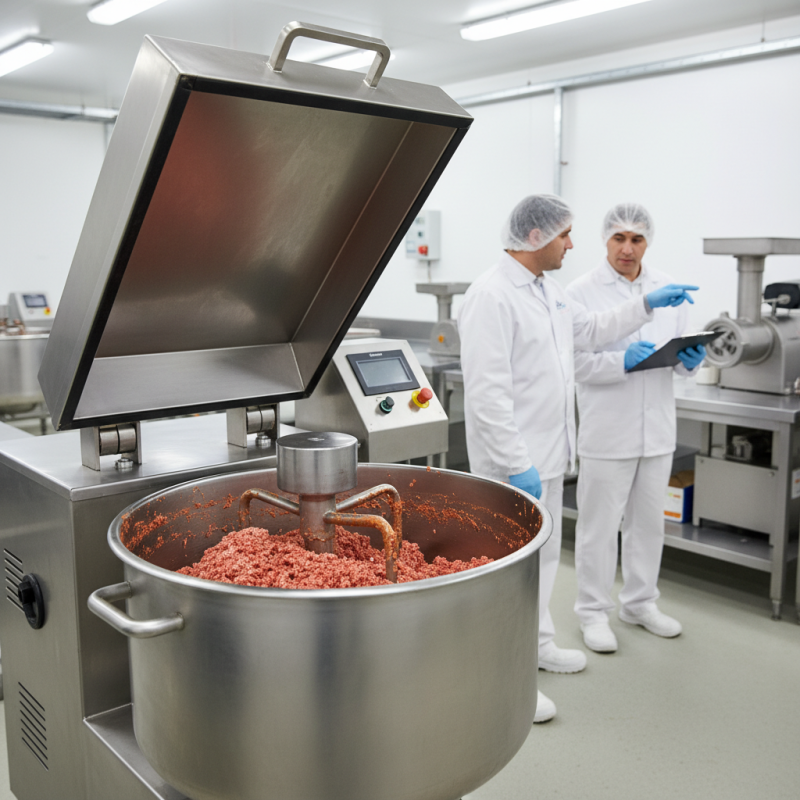
Another aspect to consider is the capacity of the machine. Smaller mixers might be suitable for home use, while commercial operations often require larger, more robust machines. Pay attention to the materials used in construction. Stainless steel is common for its durability and ease of sanitation. Remember that washing a machine properly after use is essential to maintain its longevity.
It's important to reflect on your specific needs. Do you process meat frequently? What volume do you require? These questions will guide your choice. Be aware that a high capacity doesn't always mean better performance. Sometimes, a smaller machine works more efficiently for your operations. Taking time to evaluate different options will yield the best results in the long run.
Meat Mixer Machine Types and Popularity
Assessing Your Meat Mixing Needs: Capacity, Frequency, and Size
When selecting a meat mixer machine, it’s crucial to assess your specific needs based on capacity, frequency of use, and size. Industry reports indicate that small to medium-sized businesses often require mixers with a capacity ranging between 20 to 50 liters. If production volumes increase, opting for larger models might be necessary. Smaller machines can handle a few batches a day, while larger units are suitable for daily operations in high-demand settings.
Frequency of use plays a key role in the decision process. If you plan to mix meat daily or multiple times, investing in a robust and efficient mixer is essential. According to recent industry studies, frequent usage can lead to wear and tear on lower-quality models. Additionally, the size of the mixer should align with your workspace. In cramped kitchens, a compact design can help maximize efficiency without sacrificing functionality.
It's important to reflect on your current and future needs. Businesses often underestimate their growth potential, which can lead to purchasing inadequately sized equipment. A mixer that meets the present demands may not suffice as your operation expands. Balancing immediate requirements with future planning is necessary to make a knowledgeable investment.
Key Features to Look for in a Meat Mixer Machine
Choosing the right meat mixer machine is crucial. It can significantly impact your food preparation efficiency. When selecting one, consider capacity. A machine with the right capacity can handle your needs, whether for personal use or in a commercial kitchen.
Pay attention to the motor power. A powerful motor ensures consistency and quality in mixing. It helps to blend ingredients thoroughly, providing better flavor in the end product. Do not overlook the mixing speed. An adjustable speed feature gives you control over the mixing process, allowing for versatile recipes.
Tips: Always review the build quality. Stainless steel is durable and easy to clean. Regular maintenance can extend the life of your mixer. Reflect on your specific needs to avoid purchasing a machine that doesn't fit your workflow. Over-investing might not always be wise if your usage is minimal. Ultimately, a well-chosen meat mixer can elevate your cooking.
Comparing Price Points and Brand Reputations
When selecting a meat mixer machine, evaluating price points and brand reputations is crucial. A blend of affordability and quality can significantly impact your operational efficiency. Some brands might offer lower prices but sacrifice durability or performance. Investigating these trade-offs requires more than just a quick glance at the price tag.
Brand reputation often indicates reliability. Established brands might seem pricier upfront, yet their products typically deliver consistent results over time. Consider customer reviews that highlight both successes and challenges faced by users. Engaging with community feedback offers valuable insights into long-term performance and common issues. Sometimes, newer brands can provide competitive pricing without compromising quality, but they may lack the extensive support systems of more prominent names.
In addition to price and reputation, examine the warranty and service options. A strong warranty can reflect a brand's confidence in its product. However, users often overlook this aspect. Trust your instincts but remain open to discovery. Quality and cost are not the only considerations; the balance between them is often where you'll find the best value.
Maintenance and Care for Your Meat Mixer Machine
Taking care of your meat mixer machine is crucial for its longevity and performance. Regular cleaning is essential after each use. Food particles can cling to blades and surfaces, fostering bacteria growth. Detach all removable parts and wash them with hot soapy water. Rinse and dry thoroughly before reassembling. If you notice discoloration or rust, it’s time for an inspection.
Remember to lubricate moving parts. This reduces wear and tear, keeping your machine running smoothly. Sometimes, users overlook this step, leading to noisy operation or mechanical failures. A drop of food-safe lubricant on hinges and gears goes a long way.
Check electrical connections routinely. Faulty wiring can pose safety risks. Unplug the machine before inspecting connections. Look for frayed wires or loose connections that can prevent proper use. If you find any damage, consider consulting an expert. Regular maintenance helps prevent larger issues down the line, saving you time and money.
FAQS
: It affects your food preparation efficiency significantly.
The capacity must fit your needs, whether personal or commercial.
A powerful motor ensures thorough ingredient blending and better flavor.
Adjustable speed gives you control over various recipes.
Stainless steel is a great option for durability and easy cleaning.
Clean it after each use to prevent bacteria growth.
Inspect the machine immediately and consider maintenance if necessary.
Proper lubrication reduces wear, preventing noise and mechanical failures.
Faulty wiring can cause safety issues; inspect them routinely.
Neglecting care can lead to larger problems, costing you time and money.
Conclusion
Choosing the right Meat Mixer Machine involves understanding the various types available and assessing your specific mixing needs, including capacity, frequency, and size. A thorough evaluation of key features such as durability, ease of use, and efficiency is essential. Additionally, comparing price points can help you find a machine that fits your budget while considering the reputation of the brands in the market.
Once you have selected the ideal Meat Mixer Machine, proper maintenance and care will ensure its longevity and optimal performance. Regular cleaning and following manufacturer guidelines will keep the machine in good condition, enabling you to achieve consistent mixing results for all your meat processing needs.

 FSL Food