The Dough Round Machine is a vital tool in the bakery industry. It transforms dough into perfectly shaped rounds, ensuring uniformity and quality. This machine streamlines production, helping bakers save time and effort.
Using a Dough Round Machine requires some practice. Operators must understand its mechanism to avoid inconsistencies. While many machines are user-friendly, minor complications can arise. Regular maintenance is essential to ensure optimal performance.
Understanding the Dough Round Machine's function contributes to better baking. This equipment not only improves efficiency but also enhances product appeal. As bakers embrace technology, they must remain vigilant about machine handling and troubleshooting. The balance between automation and craftsmanship can be tricky.
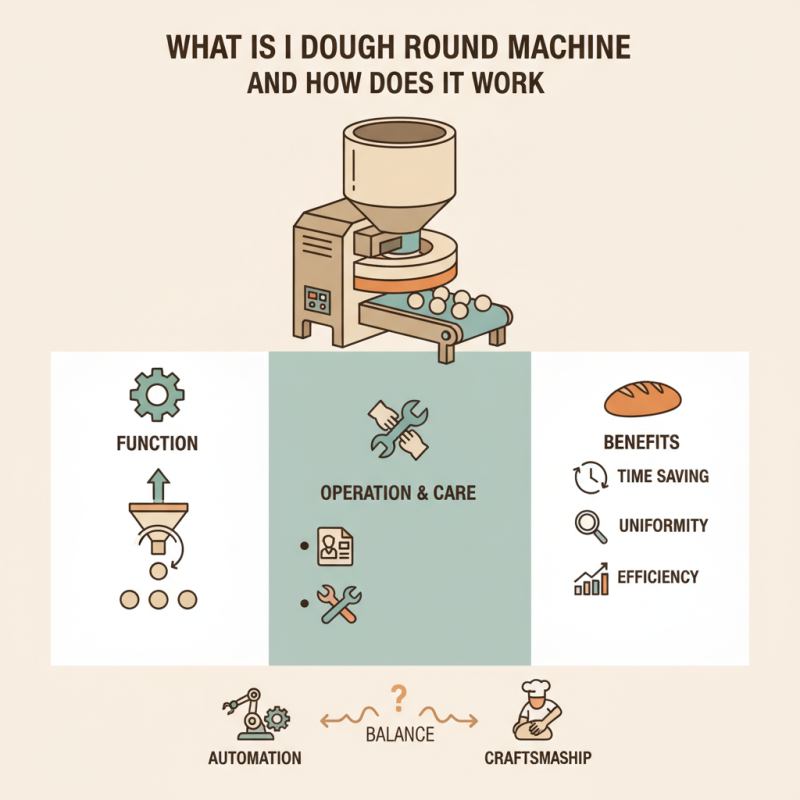
A dough round machine is an essential piece of equipment in modern baking. It efficiently portions and shapes dough into uniform rounds. These machines are vital for bakeries producing products like bread and rolls. According to industry reports, automated dough rounding can increase production efficiency by up to 20%. This results in a smoother workflow and consistent quality in baked goods.
The process begins with the operator feeding bulk dough into the machine. It uses rollers and clamps to divide the dough into equal portions. Each piece is then shaped into a round ball, which is crucial for uniform baking. Consistency in dough size promotes even baking and better overall texture. Remarkably, some machines can handle dough weights ranging from 30 grams to several kilograms.
Tip: Always monitor the dough hydration levels. Too wet or too dry can affect the machine's performance. Also, regular maintenance is key. This ensures the machine operates reliably and extends its lifespan. It's crucial to train staff on proper machine usage. Inexperienced handling can lead to inconsistent results. Reflecting on these factors can significantly enhance production quality and efficiency in any bakery.
| Feature | Description |
|---|---|
| Function | Shapes and rounds dough into uniform pieces for baking. |
| Common Uses | Used in bakeries and commercial kitchens for bread and pizza dough. |
| Types | Manual, semi-automatic, and fully automatic machines. |
| Key Components | Dough chamber, rounding plates, and conveyor belt. |
| Operating Principle | Dough is placed into the machine, shaped by revolving mechanisms, and rolled into balls. |
| Capacity | Can handle anywhere from 50 to 2000 pieces per hour depending on the model. |
| Advantages | Consistency, efficiency, and reduced labor costs in dough preparation. |
| Maintenance | Regular cleaning and inspection of components for optimal performance. |
A Dough Round Machine stands as a pivotal asset in bakeries and food production facilities. Its key components ensure that dough is shaped uniformly, enhancing both texture and appearance. Understanding these critical parts can improve the quality of baked goods.
The primary component is the forming belt. This belt transports dough through the machine while shaping it. Reports indicate that uniformity improves baking efficiency by up to 30%. It ensures consistency, which is crucial for large-scale production. Another essential part is the rounding station. Here, dough pieces are gently rounded to create perfect balls. This process impacts fermentation and ultimately the final bread quality.
Additionally, the control panel plays a significant role. It allows operators to adjust settings for various dough types. Proper calibration is necessary for achieving optimal results. However, many operators overlook minor adjustments, leading to inconsistent dough quality. Equipment maintenance is another area often neglected. Regular checks on belts and blades can prevent costly breakdowns. Being attentive to these components can enhance both performance and output in any baking operation.
Dough round machines are essential in bakeries, particularly for creating uniform dough portions. They simplify the dough preparation process. These machines use a combination of pressure and motion to shape dough balls. Understanding how they operate reveals their importance in maintaining consistency.
The key components of a dough round machine include a hopper, where the dough is placed. A rotating plate then moves the dough, allowing it to be rounded by a series of rollers. As the dough is pressed and rolled, it takes on a spherical shape. Attention to detail is crucial during this process. If the dough consistency is off, the final product might not rise properly in the oven.
These machines can vary in design and capacity. Some may struggle with different flour types or hydration levels. It’s important for operators to monitor the settings and adjust them as needed. Small variations can affect the dough's texture and flavor. Regular maintenance is also necessary to ensure reliable operation. Being aware of these factors can help improve overall efficiency.
A dough round machine is an essential tool in modern bakeries. It simplifies the process of forming dough into uniform balls. This consistency is crucial for even baking and enhanced product quality. According to industry reports, bakeries using these machines can save up to 50% in labor costs. They also reduce dough handling time, which boosts overall efficiency.
The benefits extend beyond just time and cost savings. These machines also help maintain dough integrity. Uniformly rounded dough ensures consistent fermentation, leading to better texture and flavor in the final product. A report from the American Bakers Association highlights that consistent dough rounding can improve product quality scores by as much as 30%. Additionally, the ergonomic design minimizes the risk of strain on workers.
Despite these advantages, some bakeries may hesitate to adopt this technology. The initial investment can be daunting. Also, not every recipe may work optimally with a round machine. Some bakers may prefer traditional methods for specialty products. Evaluating production needs against these challenges is vital for making the right choice.
Dough round machines are vital in the food industry, especially for bakeries and pizza shops. These machines automate the process of dividing and rounding dough, ensuring uniformity in size and weight. This efficiency not only speeds up production but also maintains consistency in the final product. By using a dough round machine, businesses can save time and reduce labor costs, contributing to a more streamlined operation.
However, not all dough round machines are created equal. Operators should be aware of their specific needs before choosing a machine. Some models are better suited for high-volume production, while others accommodate smaller batches. It's essential to consider the type of dough being processed — softer doughs may require different settings than firmer ones.
Tip: Regular maintenance of the dough round machine ensures optimal performance. Keeping parts clean and lubricated extends the machine's lifespan.
The applications of dough round machines go beyond bread and pizza. They can be found in making pastries, rolls, and even dumplings. The versatility of these machines allows for innovations in menu offerings.
Tip: Experiment with different dough recipes to find the best fit for your machine. Adjustments may lead to even better results.
: It shapes dough uniformly, improving texture and appearance for baked goods.
It ensures consistent dough shape, boosting baking efficiency by up to 30%.
It rounds dough pieces into perfect balls, impacting fermentation and bread quality.
It adjusts settings for different dough types, leading to optimal results and quality.
Regular checks on belts and blades can prevent breakdowns and enhance performance.
It saves labor costs, reduces handling time, and ensures product quality.
Some recipes may not be suitable, affecting the dough's texture and flavor.
Its ergonomic design reduces the risk of physical stress during dough preparation.
The initial investment can be high, plus not all recipes can adapt easily.
Yes, inconsistent dough may not rise properly, affecting final product quality.
A Dough Round Machine is an essential equipment in the food industry designed to automatically shape and portion dough into uniform round pieces. This machine consists of key components such as a dough hopper, forming mechanism, and control panel, which work in unison to enhance productivity and consistency in dough preparation.
Dough Round Machines operate by feeding dough through a series of mechanisms that mold it into perfectly shaped rounds, ensuring uniformity in size and texture. The benefits of using a Dough Round Machine include increased efficiency, reduced labor costs, and improved product quality, making it a valuable asset in bakeries, pizzerias, and other food establishments where consistent dough preparation is crucial. Its common applications extend to the production of bread, pizza, and various pastries, highlighting its significance in modern food processing.

FSL Food