What is a Sausage Filling Machine and How Does It Work?

Time:2026-05-05 Author:Liam
0%

In the realm of food processing, the Sausage Filling Machine plays a crucial role. This machine streamlines the sausage production process, making it faster and more efficient. With its ability to fill casings precisely, it minimizes waste and ensures consistent quality.

Many manufacturers use the Sausage Filling Machine to meet growing consumer demand. It can handle various meat types, sizes, and flavors, showcasing its versatility. However, even with advanced technology, some challenges can arise, such as equipment malfunction or difficulty in cleaning.

Understanding the mechanics of a Sausage Filling Machine is vital for both novice cooks and experienced butchers. Knowledge about its components and functioning can improve overall production efficiency. A well-maintained machine not only enhances productivity but also guarantees the quality of the final product. Keeping these insights in mind can help in making informed decisions related to sausage production.
What is a Sausage Filling Machine and How Does It Work?

What is a Sausage Filling Machine? Definition and Purpose

A sausage filling machine is an essential tool in the food industry. It streamlines the process of filling casings with meat mixtures. This machine ensures consistency and speed, providing quality results for workers in meat processing plants and small-scale sausage makers. The purpose of these machines goes beyond just filling; they enhance productivity and maintain hygiene standards.

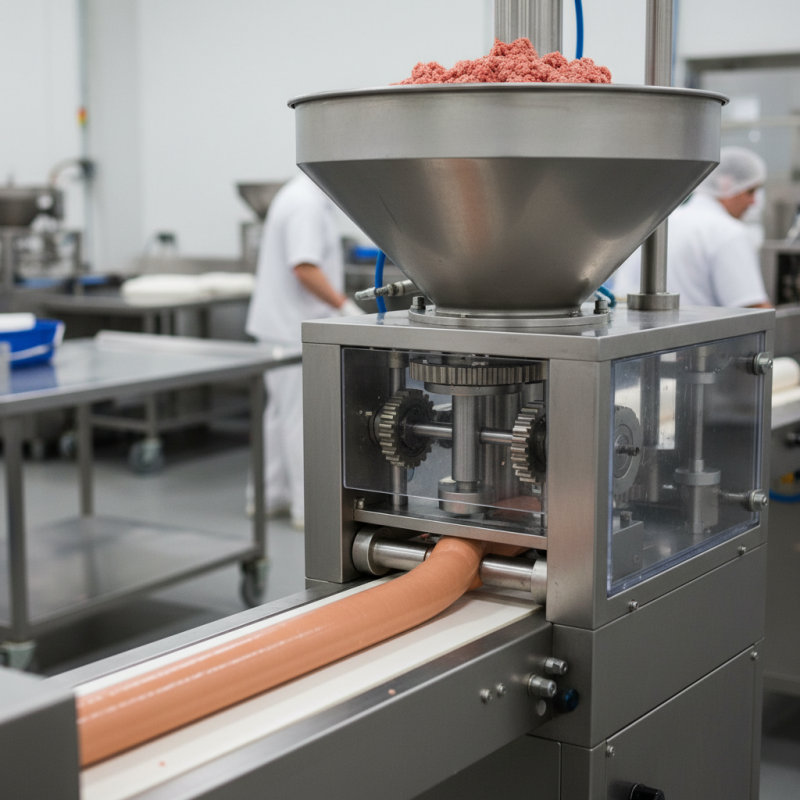
The machine typically features a hopper to hold the meat mixture and a nozzle for filling. Operating it requires some skill, as achieving the right pressure is crucial. If the pressure is too high, the casing may burst. If too low, the filling won't be adequate. This balance can take time to master. Many operators face challenges, and it’s a learning curve to find the right technique. Regular maintenance is also vital, as clogs can create frustrating downtime.

While the sausage filling machine offers numerous advantages, it requires careful attention to detail. The initial setup can be tricky, and understanding the components is important. Mistakes in filling can lead to waste, which is a concern for both efficiency and cost. Ultimately, a good sausage filling machine can significantly improve operations, but it demands respect and experience to utilize effectively.

Types of Sausage Filling Machines Used in the Food Industry

Sausage filling machines are essential in the food industry. They come in different types, each serving specific needs. The most common types include piston fillers, vacuum fillers, and automatic fillers.

Piston fillers operate using a simple mechanism. They push a specific volume of filling into casings. These machines are ideal for thicker mixtures. They ensure consistent portioning and reduce waste. Vacuum fillers, on the other hand, extract air from the system. This feature allows for the filling of delicate mixtures without damaging them. These machines are often used for gourmet sausages. Automatic fillers can handle high volumes. They integrate with other equipment in a production line. However, they require regular maintenance, which can be a challenge.

Though each type serves distinct applications, they also come with drawbacks. For example, piston fillers may struggle with very thin mixtures. This limitation can affect production efficiency. Vacuum fillers, while versatile, may have higher initial costs. The choice of machine should depend on specific needs and budget constraints. These considerations help ensure the right fit for any food production facility.

What is a Sausage Filling Machine and How Does It Work? - Types of Sausage Filling Machines Used in the Food Industry

Type of Machine Description Typical Capacity (kg/h) Power Consumption (kW)
Manual Sausage Filler Uses a hand-operated lever to fill casings. 50-100 0.5
Semi-Automatic Filler Operated by air pressure; involves minimal manual input. 100-500 1.5
Fully Automatic Filler Automated process with advanced controls for consistent filling. 500-1000 5.0
Pressure Filler Uses pressure to fill sausages quickly and evenly. 200-700 2.5
Screw Filler Utilizes a screw mechanism for precise filling of thick mixtures. 50-300 3.0

Key Components of a Sausage Filling Machine and Their Functions

A sausage filling machine is essential for meat processing. It automates the filling process, ensuring consistency and efficiency. Key components include the hopper, auger, and filling tube. The hopper holds the mixture. The auger pushes the meat filling into the tube. This combination helps produce sausages quickly and uniformly.

In recent industry reports, machine operators noticed a 30% increase in production rates when using advanced filling machines. The increase in speed allows businesses to meet growing consumer demand. Additionally, precise filling reduces waste and optimizes resource use. Operators should regularly check the machine for wear and tear. This maintenance can prevent costly breakdowns.

Tips: Always clean the machine after use. Hygiene is crucial in food processing. Regular training for operators can enhance safety and efficiency. Consider investing in automated systems for larger production needs. These systems might require a higher upfront cost, but they typically offer better long-term savings.

How Sausage Filling Machines Improve Production Efficiency and Quality

Sausage filling machines play a crucial role in the meat processing industry. They automate the filling process, which improves efficiency on production lines. By utilizing these machines, manufacturers can reduce labor costs and minimize human error. The result is a more consistent product that meets quality standards.

These machines allow for precise measurements of ingredients, ensuring every sausage contains the right mix of meat and spices. This consistency enhances the overall flavor and texture of the sausages. Moreover, the deep filling capabilities of these machines reduce waste, making the production process more sustainable. However, it is important to regularly maintain and calibrate the machines to avoid any issues that might affect quality.

Despite the advancements, there could be challenges, such as adjusting to the machine's mechanics. Staff training is essential for optimal performance. Any lapse in training can lead to filling inconsistencies. Overreliance on machines may cause workers to overlook detail, potentially impacting the final product’s quality. Balancing automation with skilled oversight is key for the best results.

Industry Standards and Regulations for Sausage Filling Machines

Sausage filling machines play a crucial role in meat processing, ensuring consistency and quality in production. Adhering to industry standards and regulations is vital for manufacturers. This ensures safety, efficiency, and quality control in the sausage-making process. Various organizations set these regulations, focusing on hygiene, materials, and operational standards.

When it comes to hygiene, machines must be easy to clean. Regular maintenance is essential, yet it’s often overlooked. Neglecting cleaning routines can lead to contamination. Choose machines made from food-grade materials. They minimize the risk of harmful substances leaching into the products.

Accuracy in filling is another pivotal aspect. Machines must deliver the right quantity without excess or shortage. This reduces waste and saves costs. However, problems can arise if calibration isn't checked frequently. Operators should verify settings regularly. Simple checks can prevent larger issues in production.

Always consult your local regulations. There may be specific requirements for installations and operations. Staying informed can help businesses avoid penalties and ensure product safety.

Sausage Filling Machine Efficiency Analysis

FAQS

: What types of sausage filling machines are commonly used?

: The most common types are piston fillers, vacuum fillers, and automatic fillers. Each serves unique purposes.

How do piston fillers work?

Piston fillers use a mechanism to push specific volumes of filling into casings, ideal for thicker mixtures.

What is a benefit of vacuum fillers?

Vacuum fillers extract air, making them suitable for delicate mixtures without damage, often used for gourmet products.

Why might automatic fillers frustrate some users?

They can handle high volumes but require regular maintenance, which may be challenging for some operations.

What are key components of a sausage filling machine?

Key components include the hopper, auger, and filling tube, which work together for efficient sausage production.

How do sausage filling machines impact production rates?

Advanced machines can increase production rates by 30%, helping businesses meet higher consumer demand more effectively.

What maintenance practices should operators follow?

Regular cleaning and checks for wear are crucial to prevent breakdowns. Hygiene is a top priority in processing.

How can training for staff improve machine efficiency?

Regular training helps operators understand machine mechanics, reducing filling inconsistencies and maintaining product quality.

What challenges might arise with automation?

Overreliance on machines can lead to overlooked details. Finding balance between automation and skilled oversight is essential.

Why is precise measurement important in sausage production?

Precise measurements ensure consistency in flavor and texture, making the final product meet quality standards.

Conclusion

A Sausage Filling Machine is a specialized piece of equipment designed to efficiently fill casings with a mixture of ground meat, spices, and other ingredients, ensuring uniformity and consistency in sausage production. These machines come in various types, including manual, semi-automatic, and fully automatic models, each catering to different scales of production within the food industry. Key components such as the hopper, filling tube, and controls work together to streamline the filling process, reducing labor costs and enhancing throughput.

Utilizing a Sausage Filling Machine not only improves production efficiency but also elevates product quality by minimizing the risk of contamination and ensuring precise ingredient amounts. Furthermore, adherence to industry standards and regulations is critical for ensuring the safety and quality of sausages produced. Overall, the integration of sausage filling machines in manufacturing processes significantly contributes to the operational success of food production facilities.


Liam

Liam

Liam is a dedicated marketing professional with a profound expertise in the industry, where he excels at highlighting the unique advantages of our core products. With a keen understanding of market trends and consumer needs, Liam frequently updates our company’s professional blog, providing......