In the world of seafood processing, efficiency is key. A Fish Peeling Machine can drastically improve the workflow. Selecting the right machine matters greatly. It can reduce labor costs and ensure consistent quality.
The market offers various options, each with unique features. Some machines excel in speed, while others focus on precision. Understanding these differences is crucial for any business. Investing in a quality machine can enhance production capabilities. However, one must consider the long-term maintenance and operational costs.
Choosing a Fish Peeling Machine isn't always straightforward. New models frequently enter the market, making decisions harder. Not all machines meet the specific needs of every business. It’s vital to conduct thorough research before making a purchase. Balancing efficiency and reliability is essential to ensure smooth operations.
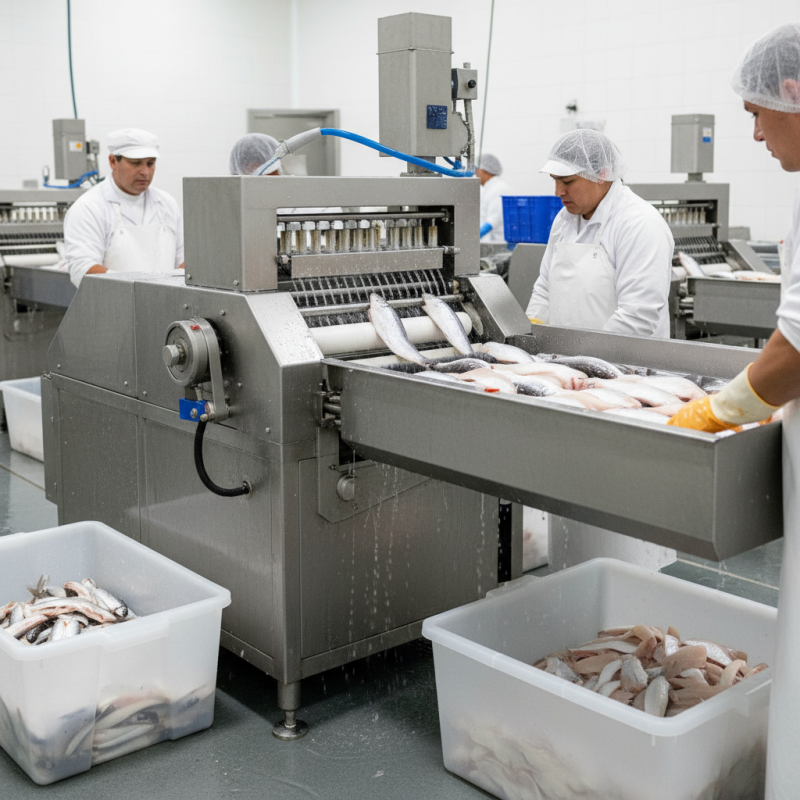
Fish peeling machines play a crucial role in the seafood processing industry. These machines efficiently remove skin and scales from fish, significantly reducing processing time and labor costs. According to a recent industry report, automated peeling reduces labor costs by up to 30%, allowing seafood processors to allocate resources more effectively. Efficient peeling leads to higher quality fillets, appealing to both processors and consumers.
The technology behind fish peeling has advanced considerably. Some machines now feature adjustable settings for different fish types, which enhances versatility. Studies indicate that using the right machine can improve yield by at least 10%. This precision not only conserves resources but also minimizes waste. Observations show that processors often struggle with inconsistent peeling results, leading to product loss. Investing in reliable machines can mitigate these issues, ensuring a sustainable seafood supply chain.
Despite these advancements, challenges remain. Some peeling machines may require frequent maintenance, causing downtime. Processors must weigh equipment costs against potential gains in efficiency. Data suggest that improper machine selection can lead to significant post-processing losses. Continuous reflection on operational effectiveness is necessary to optimize fish processing methods for future demands.
When selecting a fish peeling machine, several key features should guide your decision. The machine's efficiency plays a crucial role in seafood processing. An effective model should quickly peel fish while minimizing waste. Look for machines that offer adjustable settings to accommodate different fish sizes. This flexibility allows for optimized processing, catering to various seafood types.
Another important aspect is the ease of cleaning. A machine designed with smooth surfaces and accessible parts will save time and ensure hygiene. Stainless steel construction is often preferred for its durability and resistance to corrosion. Remember, cleanliness is vital in seafood processing to maintain quality and safety.
**Tip:** Check for user reviews to gauge reliability. Machines that have a history of operational issues may lead to more downtime.
Additionally, consider the machine’s power consumption. Investing in energy-efficient models can reduce long-term operational costs. Always compare the features and specifications. This assessment helps avoid investing in machines that may not meet your specific needs. Finding the right balance between performance and cost can require thoughtful reflection on your processing goals.
When it comes to seafood processing, efficiency is key. Fish peeling machines are essential for ensuring speed and quality in operations. Analyzing different models reveals unique features and capabilities. Some machines focus on high-speed operation, while others prioritize precision in peeling. Each design serves a specific industry need.
One common flaw among machines is the inconsistent peeling results. Some operators notice uneven removal of skin, which can affect presentation. This is often due to blade wear or improper machine settings. Adjusting these parameters can mitigate issues but requires operator expertise. Maintenance is also crucial for optimal performance.
The comparison of features shows various technologies at play. Some machines employ advanced automation, which reduces manual labor. Others are more manual but allow for fine adjustments. Understanding the right balance between automation and control is critical. Each processor should carefully evaluate their current needs and future growth before making a decision.
| Machine Model | Processing Capacity (kg/h) | Power Consumption (kW) | Automation Level | Weight (kg) | Price Range (USD) |
|---|---|---|---|---|---|
| Model A | 300 | 1.5 | Fully Automated | 150 | 5,000 - 7,000 |
| Model B | 250 | 1.2 | Semi Automated | 120 | 3,000 - 4,500 |
| Model C | 400 | 2.0 | Fully Automated | 180 | 8,000 - 10,000 |
| Model D | 200 | 0.9 | Manual | 100 | 1,500 - 2,500 |
| Model E | 350 | 1.8 | Semi Automated | 160 | 6,000 - 8,000 |
| Model F | 500 | 2.5 | Fully Automated | 200 | 9,000 - 12,000 |
| Model G | 300 | 1.4 | Semi Automated | 140 | 4,000 - 5,500 |
| Model H | 450 | 2.1 | Fully Automated | 210 | 10,000 - 13,000 |
| Model I | 380 | 1.6 | Semi Automated | 170 | 7,000 - 9,000 |
| Model J | 290 | 1.0 | Manual | 110 | 1,200 - 2,000 |
When evaluating the cost-benefit of fish peeling machines, efficiency is key. A detailed report by industry analysts indicates that automated peeling machines can reduce labor costs by over 30%. This is significant for seafood processing businesses. The reduction in processing time can lead to higher output without compromising quality. This metric alone often justifies the initial investment in such machines.
However, it's crucial to consider maintenance costs. Some machines may require frequent servicing, which can add to overhead. For instance, a recent survey revealed that about 20% of operators faced unexpected repairs within the first year of operation. Firms must factor this into their total cost calculations.
Tip: Always track the operational efficiency of your peeling machines. This data can guide future investments and improvements.
Investing in quality fish peeling machines is a long-term decision. While they promise better efficiency, it’s essential to research the market thoroughly. User reviews and industry benchmarks can provide insights into reliability and performance. Balancing initial costs with operational efficiency is vital for maximizing profits in seafood processing.
Proper maintenance of fish peeling machines is crucial for optimal performance. Regular cleaning prevents build-up of residues that can hinder efficiency and compromise food safety. A thorough wash after each use ensures no fish remains clogging the components. Inspecting the blades for sharpness is also important. Dull blades increase processing time and may damage the fish.
Lubrication of moving parts is essential to maintain functionality. Using food-grade lubricants can prevent rust and other issues. It's tempting to overlook this step, but neglecting it can lead to mechanical failures. Operators should also monitor the machine's alignment. Misalignment can cause uneven peeling and increase wear. Small adjustments can save costs in repairs.
Regular training on machine use and care is beneficial. Staff should become familiar with the machine's functions and maintenance needs. Sometimes, they overlook small issues, thinking they are unimportant. Addressing potential problems early can improve the machine's lifespan. Aim for an environment where every operator feels responsible for reporting irregularities.
: Fish peeling machines remove skin and scales from fish efficiently, saving time and labor costs.
Automated peeling can reduce labor costs by up to 30%, enhancing resource allocation for processors.
Selecting the appropriate machine can improve yield by at least 10%, minimizing waste in the process.
Processors often deal with inconsistent peeling, which can lead to product loss and affects quality.
Frequent maintenance is crucial; some machines may have regular servicing needs that impact operational efficiency.
Choosing the wrong machine may lead to significant post-processing losses, impacting overall profitability.
They must weigh equipment costs against potential efficiency gains and reflect on their operational effectiveness.
Manual machines allow for fine adjustments, while automated ones focus on speed and reducing manual labor.
Tracking the operational efficiency of peeling machines can guide future investments and highlight areas for improvement.
User reviews and industry benchmarks provide insights into the reliability and performance of peeling machines.
The article titled "Top 10 Fish Peeling Machines for Efficient Seafood Processing" provides a comprehensive overview of the essential role that fish peeling machines play in the seafood processing industry. It highlights the key features to consider when selecting a fish peeling machine, such as efficiency, ease of use, and maintenance requirements. By conducting a comparative analysis of the top ten machines, the article aids consumers in making an informed decision tailored to their specific processing needs.
Additionally, the cost-benefit evaluation emphasizes the economic advantages of investing in a reliable fish peeling machine, showcasing how it can enhance productivity while reducing labor costs. To ensure optimal performance, the article also offers valuable maintenance and care tips for operators. Overall, this guide serves as a crucial resource for those seeking to optimize their seafood processing operations with the right equipment.

FSL Food