As the global meat processing industry continues to evolve, the importance of efficient equipment becomes undeniable. A key player in this realm is the Meat Tumbler Machine. According to a report by Global Market Insights, the meat processing equipment market is projected to surpass $50 billion by 2026. This growth underscores the increasing demand for machines that enhance flavor infusion and tenderness in meat products.
Industry expert Dr. Lisa Hartman emphasizes, “The Meat Tumbler Machine revolutionizes how we prepare meat, ensuring optimal flavor profiles.” Such machines not only enhance the marinating process but also improve overall product quality. With a variety of models available, it can be challenging for buyers to navigate the choices.
While the benefits are clear, careful consideration is essential. Not all machines perform equally, and some may not meet specific production needs. Buyers should assess their requirements before making decisions. Awareness of these nuances can lead to better investment and improved product outcomes. As the market grows, so does the opportunity for innovation within the Meat Tumbler Machine sector.
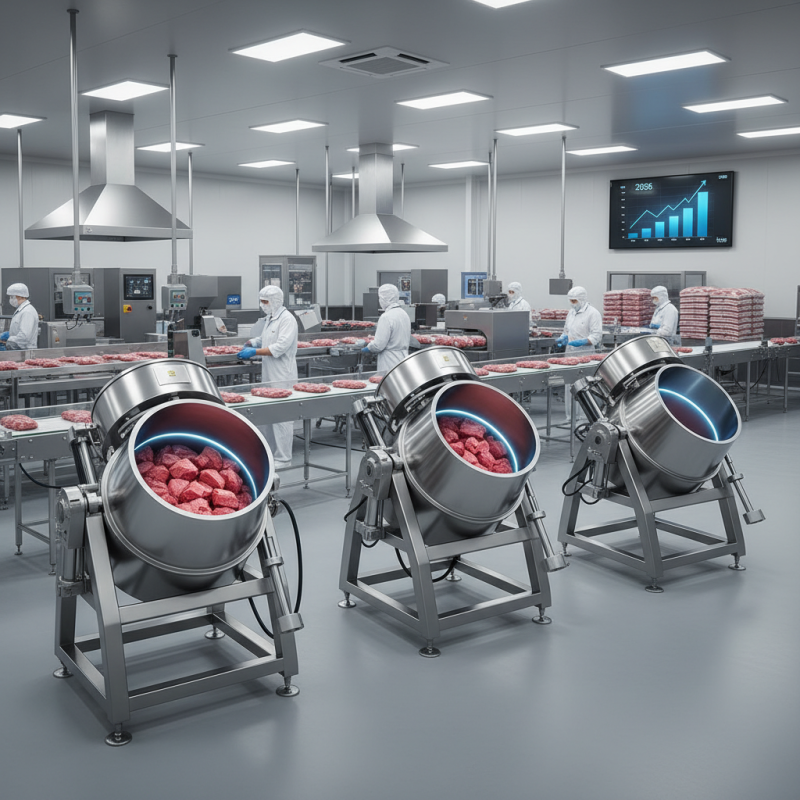
When choosing a meat tumbler machine, consider its capacity carefully. A larger capacity is suitable for high-volume operations. Smaller units are better for niche markets or limited production. Understanding your meat processing needs aids in making an informed choice.
Look for a machine with adjustable tumbling speed. This feature helps in achieving the desired flavor infusion. It's essential for different types of meats, such as chicken or beef. A well-designed tumbler will also include easy-access controls. User-friendly interfaces enhance operational efficiency.
Durability is crucial in meat tumblers. Check the materials used in construction. Stainless steel machines often last longer and are easier to clean. However, higher durability usually comes with a cost. Assess if the investment aligns with your operational goals. Consider the machine's warranty and support services. This reflects the manufacturer's confidence in their product.
In 2026, the meat tumbler market is witnessing significant changes. Key brands have emerged, showcasing advanced technologies and innovative designs. These machines enhance the marination process, ensuring even flavor distribution. Buyers look for efficiency and durability, which have become crucial factors.
Manufacturers focus on user-friendly interfaces and energy efficiency. Many brands prioritize sustainable materials, appealing to environmentally conscious consumers. However, the challenge remains in balancing cost and quality. Some buyers express concerns about maintenance and spare parts availability.
Expert insights suggest that training and support are vital after purchase. Proper usage impacts the longevity and performance of meat tumblers. Nonetheless, while some brands show promise, others struggle to meet rising expectations. The competition encourages constant improvement, but not every brand adapts swiftly. A few still lag, reflecting the industry's diverse landscape.
The landscape of meat tumbling technology is evolving rapidly. Innovative advancements are enhancing efficiency and performance in meat processing. Meat tumblers play a critical role in maintaining texture and flavor. Modern machines utilize high-speed motors and precise controls for better consistency. These features ensure that meat absorbs marinades effectively and achieves desired tenderness.
New tech like touchscreens and automation is making operation simpler. These innovations reduce labor costs and enhance precision. However, not all equipment meets high standards. Buyers must evaluate specifications and performance metrics thoroughly. Testing and observations are essential to ensure reliability and efficiency. An experienced operator knows the importance of maintenance. Regular checks prevent malfunctions and prolong the lifespan of tumblers.
Moreover, integrating AI and IoT can track processes in real-time. Such technologies offer insights into operational efficiency and ingredient usage. While this is promising, challenges remain. Adapting machines to specific production needs can be trial and error. Buyers should ask for rigorous performance data and customer feedback. They need to reflect on their choices to make informed investments in these essential machines.
The meat tumbler market is witnessing significant trends in 2026. An increasing focus on meat quality drives this demand. According to recent reports, the global meat tumbler market is projected to grow at a CAGR of 5.4% from 2021 to 2026. Many consumers prioritize enhanced flavor and texture in their meat products. Consequently, meat tumbler machines have become essential in food processing.
Health-conscious consumers also influence market dynamics. The demand for natural and preservative-free products is rising. As reported by industry analysts, around 40% of consumers prefer meat items that undergo minimal processing. This trend emphasizes the importance of meat tumblers in delivering marinated, tender, and flavorful products. It’s essential to produce quality without unnecessary additives.
However, challenges remain. Equipment maintenance is vital for ensuring efficiency. Additionally, fluctuations in the global supply chain can affect production costs. This area requires careful consideration. Sustainable practices will also play a crucial role in the industry's future. Adopting eco-friendly materials is slowly gaining traction. Companies must balance profitability with responsible practices to meet evolving consumer expectations.
The meat tumbler market continues to evolve, driven by innovation and increasing demand. Recent industry reports highlight a projected annual growth rate of 5.3% from 2021 to 2026. This growth signals a rising interest among global buyers in high-performance meat tumblers. Buyers often seek machines that optimize flavor absorption while ensuring better product quality.
Different tumbler models offer varied features, catering to diverse processing needs. Some machines operate quietly, making them suitable for smaller production facilities. Others boast advanced technology that allows for programmable settings. These features enhance efficiency and reduce labor costs. However, not every model achieves consistent results. Factors such as material quality and design can impact performance. Buyers must conduct thorough comparisons to find the best fit for their requirements.
In addition, energy consumption and maintenance are critical considerations. Users may overlook energy-efficient models, leading to unexpected operational costs. Regular maintenance is essential to maintain performance and prolong the lifespan of the machine. Without addressing these aspects, businesses may experience reduced productivity. A balanced analysis of these factors is crucial before making a purchasing decision in today's competitive market.
| Model | Capacity (kg) | Material Type | Noise Level (dB) | Price Range (USD) | Features |
|---|---|---|---|---|---|
| Tumbler Model A | 50 | Stainless Steel | 75 | 300 - 500 | Automatic Timer, Adjustable Speed |
| Tumbler Model B | 100 | Carbon Steel | 80 | 400 - 700 | Digital Control, Energy Efficient |
| Tumbler Model C | 75 | Aluminum | 70 | 250 - 450 | Compact Design, Easy to Clean |
| Tumbler Model D | 150 | Food Grade Plastic | 85 | 500 - 900 | Multi-functional, User Friendly |
: Consider the machine's capacity based on your production needs. Larger units suit high-volume operations.
Adjustable speeds help achieve the desired flavor infusion for different meats like chicken and beef.
Stainless steel provides durability and easy cleaning. However, high durability items may cost more.
New technologies enhance efficiency and performance. They improve consistency and ensure effective marinade absorption.
AI and IoT can track processes in real-time. This offers insights into efficiency and ingredient usage.
The market is growing due to a focus on meat quality. Enhanced flavor and texture drive consumer demand.
Not all equipment meets high standards. Buyers should evaluate specifications and seek reliable performance data.
Consumers prefer natural, minimally processed meats. Meat tumblers help produce flavorful products without additives.
Regular maintenance ensures efficiency and prolongs the lifespan of meat tumblers. Neglecting this can lead to malfunctions.
Companies must adopt eco-friendly practices while meeting consumer expectations. This area requires careful planning and effort.
The article "Top Meat Tumbler Machines for Global Buyers in 2026" explores essential features that prospective buyers should consider when selecting a Meat Tumbler Machine. Key attributes such as capacity, efficiency, and ease of cleaning are highlighted, alongside innovative technologies that enhance the performance and effectiveness of these machines. The piece also outlines current market trends influencing global demand, reflecting the growing importance of high-quality meat processing solutions in the food industry.
Moreover, it presents a comparative analysis of various Meat Tumbler Machine models available on the market, emphasizing how these products adapt to evolving consumer needs and preferences. By understanding these dynamics, buyers can make informed decisions that align with the future of meat processing technology and efficiency.

FSL Food