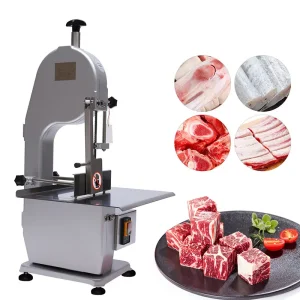
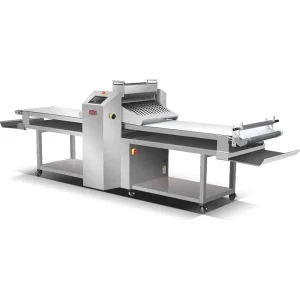
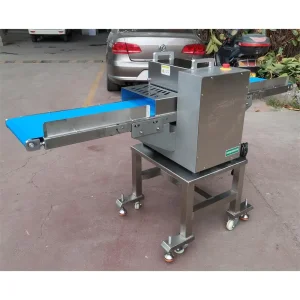
The global demand for high-efficiency protein processing has reached an all-time high. A Matrix Bone Saw is no longer just a tool; it is a critical component in the modern industrial slaughterhouse and seafood processing plant. From the bustling ports of Tokyo to the massive meat packing facilities in Brazil, precision in cutting frozen tuna and bone-in beef determines the yield and profitability of the entire production line.
Automation and AI-driven precision are the two pillars of current industry trends. Suppliers are now focusing on integrating IoT sensors into bone saws to monitor blade tension and motor temperature in real-time. This "Smart Cutting" trend reduces downtime and ensures that the Electric Food Industry Frozen Meat Cutting Machine operates at peak efficiency during high-volume shifts.
As international food safety standards like HACCP and CE certifications become more stringent, global procurement managers are prioritizing machines that offer easy-clean designs and 304/316 stainless steel construction. Reliability in hygiene prevents cross-contamination, a non-negotiable factor for Tier-1 suppliers.
FSL Food Machinery is a leading provider of innovative and high-quality food machinery solutions. With a strong commitment to excellence and customer satisfaction, we specialize in designing, manufacturing, and supplying a wide range of food processing and packaging equipment. Our cutting-edge machinery is designed to meet the evolving needs of the food industry, helping businesses optimize their production processes, enhance product quality, and increase efficiency.
We leverage decades of engineering experience to ensure that every Matrix Bone Saw leaving our factory meets the rigorous demands of international heavy-duty processing.

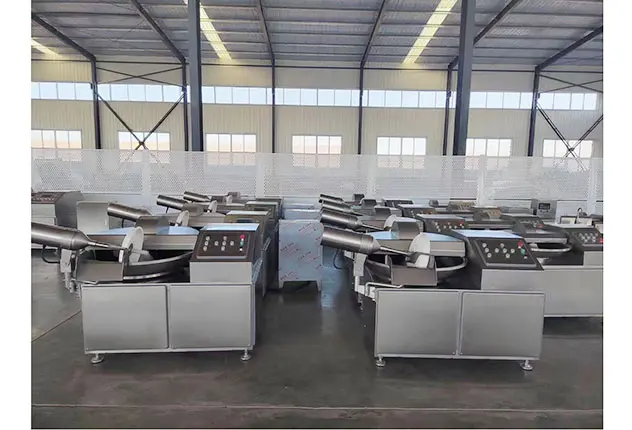
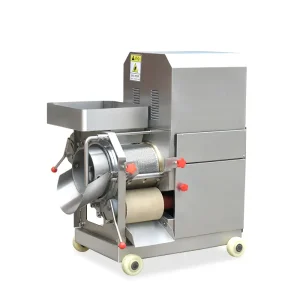
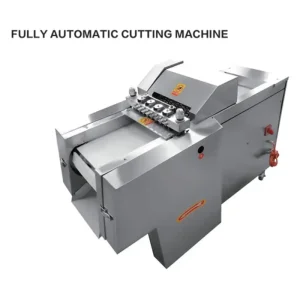
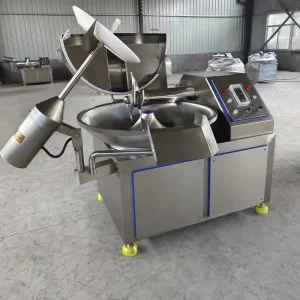
This specialized machine is engineered to cut meat into precise small pieces or a fine paste form. Simultaneously, it allows for the seamless mixing of raw materials within the processing pot, ensuring a uniform consistency for sausages, meatballs, or surimi products.
Understanding the specific needs of different regions is what makes us the preferred Matrix Bone Saw Supplier. Procurement requirements vary significantly based on local market dynamics.
Emphasis is placed on worker safety and OSHA/CE compliance. Our saws feature rapid-stop braking systems and blade guards to ensure maximum operator protection in high-speed environments.
In regions like Vietnam and Thailand, the focus is on tuna processing. Large yellowfin tuna require heavy-duty band saws that can cut through frozen bodies without creating excessive waste or "dust," preserving the valuable sashimi-grade meat.
As noted in our recent reports, Africa's meat processing sector is embracing automation. There is a high demand for robust, easy-to-maintain machinery that can withstand fluctuating power grids while delivering consistent output for the growing middle-class protein demand.
Countries Exported To
Years Engineering Experience
Stainless Steel Quality
Technical Support
By operating as a direct manufacturer in China, we eliminate the middleman markup. We pass these savings onto you, providing Tier-1 quality Matrix Bone Saw systems at a fraction of the cost of Western alternatives.
Unlike standard suppliers, our engineering team can modify blade lengths, table sizes, and motor voltages to suit your specific factory footprint and local electrical standards.
We don't just sell saws. We offer full turnkey lines—from thawing and evisceration to washing and final packaging. Our integration capabilities are unmatched.
JOHANNESBURG — A quiet but profound industrial revolution is currently reshaping the agricultural and food manufacturing landscape across the African continent. Driven by rapid demographic shifts, relentless urbanization, and an expanding middle class with an increasing appetite for high-quality protein, Africa’s meat processing sector is undergoing a historic paradigm shift.
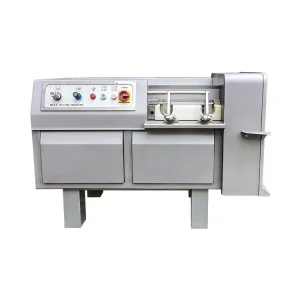
At FSL Food Machinery, we are at the forefront of this change, supplying robust Matrix Bone Saws and dicing equipment to help local enterprises scale their production to meet these new demands efficiently.
 FSL Food