 FSL Food
The Evolution of Timor-Leste's Meat Processing Industry
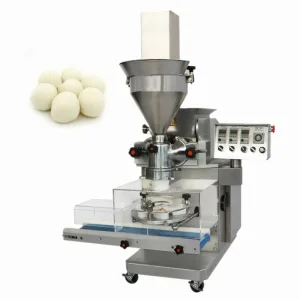
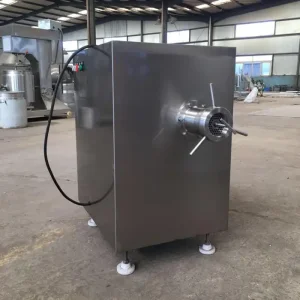
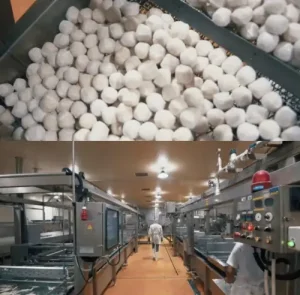
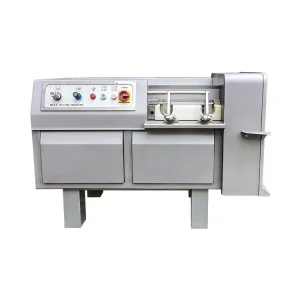
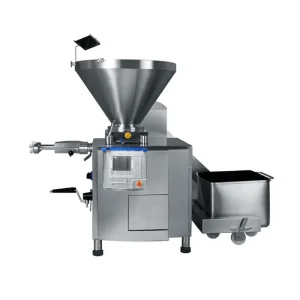
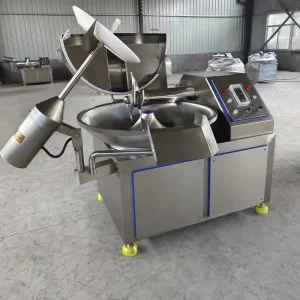
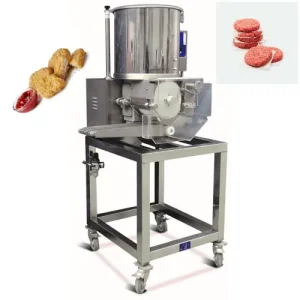
Timor-Leste, situated in the heart of the maritime Southeast Asia, is currently witnessing a transformative phase in its agricultural and food manufacturing sectors. Traditionally, the local meat industry relied on manual processing methods; however, there is a clear trend toward industrial modernization. As the nation focuses on enhancing food security and reducing dependency on imported processed goods, the demand for high-quality, reliable meat machinery—ranging from commercial meat grinders to automated sausage stuffers—has surged.
Market Dynamics & Localized Application
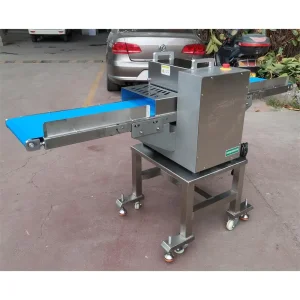
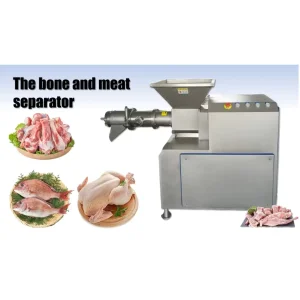
The industrial landscape in Dili and surrounding regions is shifting. Local businesses are beginning to integrate automated solutions to handle beef, poultry, and local fish resources. For instance, the fishing industry, a vital economic pillar for Timor-Leste, is increasingly adopting professional scaling and filleting machinery to compete with international standards. Our machinery provides the precision required to process these local catch and livestock into high-value products, enabling small-to-medium enterprises (SMEs) to scale their production effectively.
Why Automation Matters for Emerging Markets
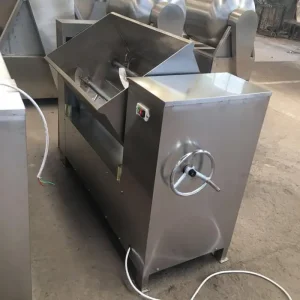
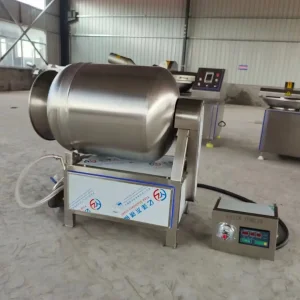
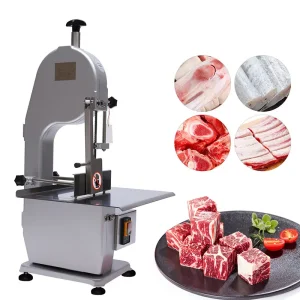
For entrepreneurs in Timor-Leste, the transition to automated meat machines is not just about speed; it is about hygiene, consistency, and safety. Implementing vacuum tumblers and industrial band saws ensures that meat processing meets international HACCP standards, which is crucial for both local retail and the potential export of processed meat products. By choosing machines that are durable and easy to maintain, local factories can achieve long-term profitability while creating jobs within the domestic food processing value chain.
Future Trends: Efficiency & Sustainability
Looking ahead, the integration of energy-efficient processing technology will be the next frontier for Timor-Leste. As electricity infrastructure stabilizes, factories are looking for machines that offer a balance between high throughput and low power consumption. Furthermore, the ability to process multiple meat types—from tuna to pork and chicken—with a single, versatile production line represents a significant opportunity for local businesses to optimize capital expenditure.